Is a gated community the right move, and should you focus on Bell Canyon or Hidden Hills? If you want privacy, security, equestrian options, and a calm setting near Los Angeles, both stand out. The details matter though, from HOA rules and remodel approvals to showings and trail access. In this guide, you’ll get a clear, side-by-side understanding so you can move forward with confidence. Let’s dive in.
Snapshot: similarities and differences
Both Bell Canyon and Hidden Hills are gated, private, and known for larger properties and natural surroundings. The key distinction is governance. Hidden Hills is an incorporated city in Los Angeles County. Bell Canyon is an unincorporated community in Ventura County governed at the county level and through its HOA or community services entity.
Location also shapes your day-to-day. Hidden Hills sits closer to Calabasas and major Los Angeles corridors and is known for a heightened privacy profile. Bell Canyon sits farther northwest with a quieter, more rural feel and convenient access to Ventura County destinations.
What this means for you: permitting, zoning, and code enforcement are handled by different agencies. You will want to confirm which agency issues permits for remodels, who enforces codes, and how municipal services are delivered in each area.
Amenities and lifestyle
Community features to expect
Both communities offer private roads, controlled entry, and a culture of privacy. Hidden Hills is known for large custom estates that often include on-site amenities like pools and courts. The community maintains gates, private roads, and equestrian trail connectivity, with an HOA enforcing standards for aesthetics and use.
Bell Canyon leans into shared open space and canyonland. You will find community trails, neighborhood parks, and a community center or club options depending on the HOA structure. It often feels more connected to nature with formal trail networks into surrounding hills.
Always verify the current amenity list, hours, and any membership requirements with each HOA or property manager. Amenities can change, and some facilities may have waitlists.
Outdoor access and trails
You will have excellent trail access in both areas. Hidden Hills links into broader multi-use networks in nearby communities. Bell Canyon offers canyon trails and preserves that feel more rural. If trail access is a priority, ask about trail easements, maintenance responsibilities, and any seasonal closures tied to fire risk or drought. Rules differ by community.
Schools and services
School assignments vary by lot. Many buyers evaluate options in nearby districts along with private schools. Always confirm school boundaries by address directly with the school district. Police, fire, and other municipal services also differ by jurisdiction. Verify which agencies respond to each property and any special service agreements.
HOA, governance, and costs
How rules work
Hidden Hills has both a municipal layer and an active HOA that enforces CC&Rs. Bell Canyon relies primarily on its HOA or community services entity under Ventura County’s jurisdiction. In both communities, you can expect architectural review, landscape standards, signage rules, and guidance on animals. If you plan to remodel or add amenities, study the CC&Rs, bylaws, and architectural guidelines early.
What dues usually cover
In gated communities, HOA dues typically fund gate and security operations, private road upkeep, open-space landscaping, trail maintenance, and common-area insurance. If the HOA maintains recreational facilities, costs may be higher. Special assessments can occur for road resurfacing, utility upgrades, reserve shortfalls, or capital projects.
Because fees change, avoid relying on outdated figures. Confirm current monthly dues, transfer fees, capital contributions, and any pending assessments with the HOA or property manager before you make an offer.
Transfer items at closing
When you buy in a gated community, expect a disclosure package that includes CC&Rs, financial statements, meeting minutes, reserve studies, and evidence of any pending special assessments. You may encounter HOA transfer or inspection fees and, in some cases, a capital contribution at closing. Ask about delivery timelines for these documents, as delays can affect escrow. If you need documents quickly, expedited fees may apply.
Reserve adequacy and insurance are also key. Review the HOA reserve study and master insurance policies so you understand what is covered in common areas and where owners have responsibility.
Architecture, lots, and infrastructure
Styles and design review
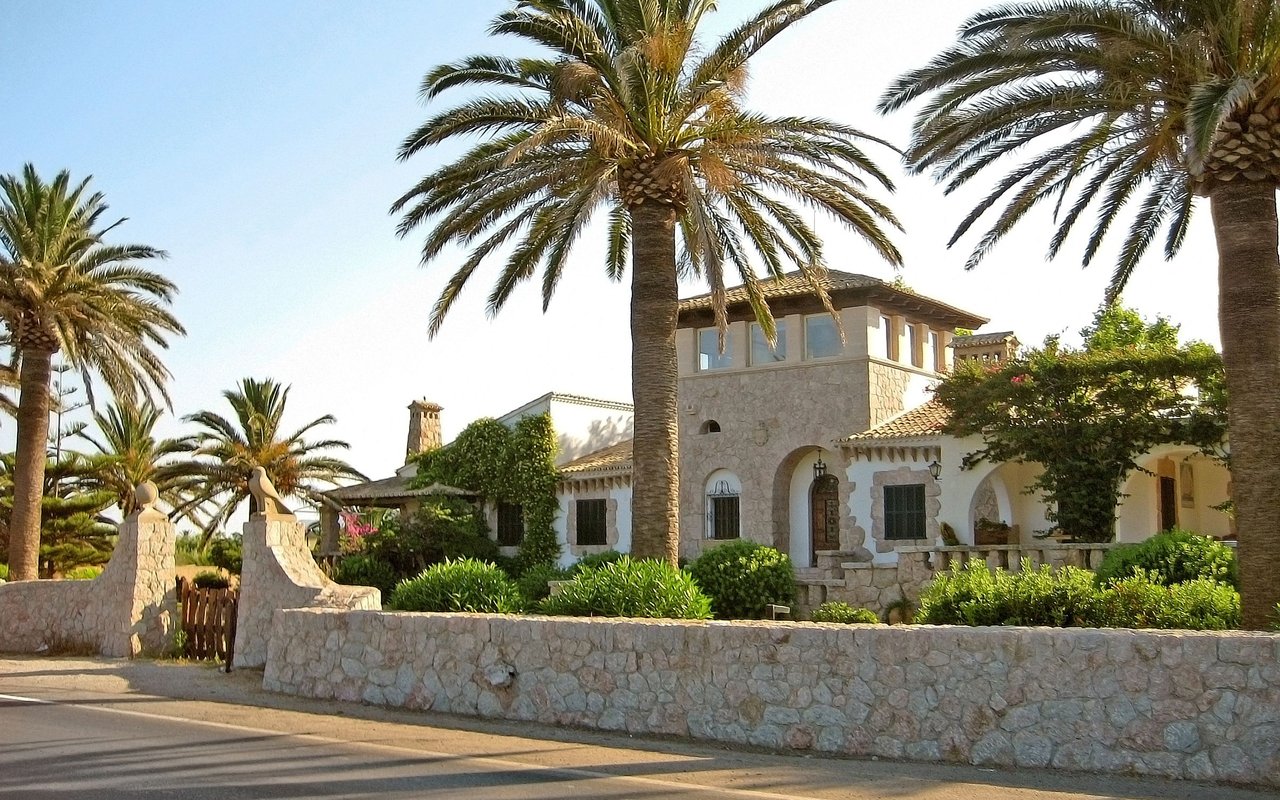
Hidden Hills features a wide range of custom estates, including Mediterranean, Spanish, modern, contemporary, and large ranch-style homes. Bell Canyon leans toward ranch and Mediterranean aesthetics with mid-century and country estate influences. Many homes in both areas emphasize indoor-outdoor living.
Architectural controls can be stricter in one HOA than another, and design review timelines vary. If you are planning a remodel or new construction, factor in review duration when you plan your move and budget.
Lot size and topography
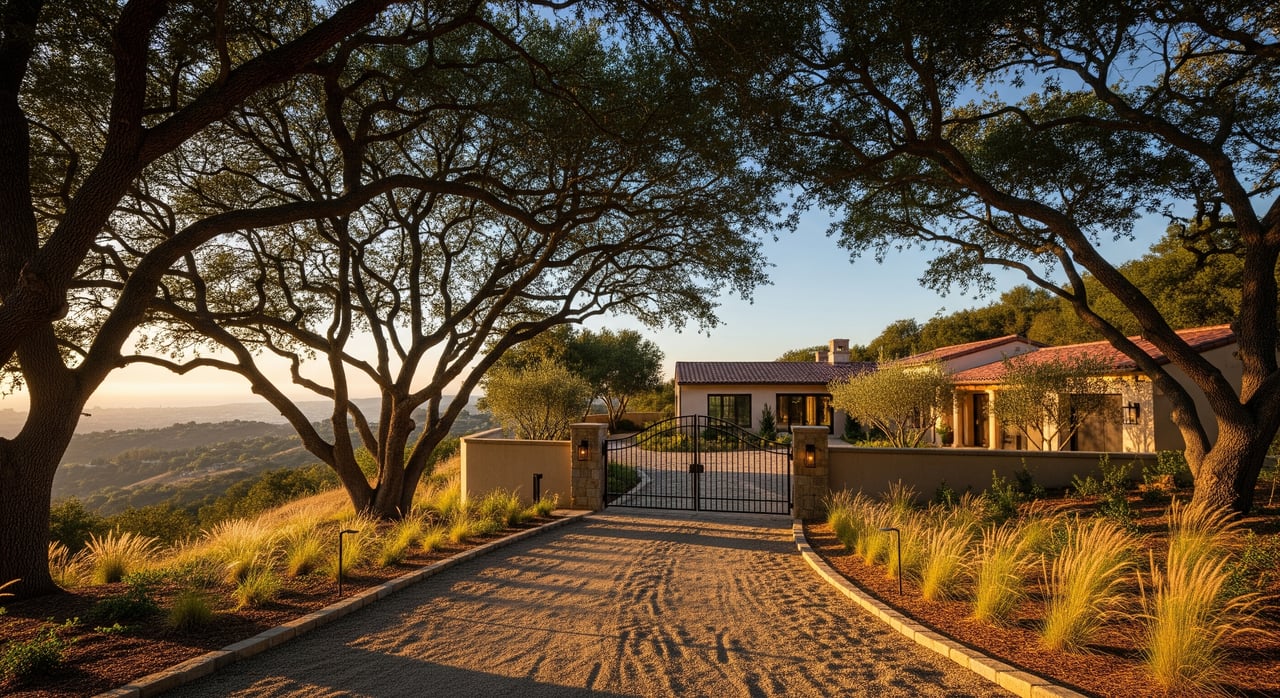
Hidden Hills often offers larger parcels, some multi-acre, with leveled or terraced grounds to support large homes and amenities. In Bell Canyon, lots are more varied. Many are set on scenic slopes with irregular shapes and easements. Privacy often comes from topography and mature trees.
For either area, verify building envelopes, setback rules, steep-slope restrictions, and any grading or slope stabilization history. A thorough review will protect you from surprise limitations during design.
Utilities to confirm
Confirm whether utilities are underground, if the property connects to sewer or uses a septic system, and which providers serve water, gas, and broadband. Replacement of older systems, like septic, can be a meaningful expense. If you are evaluating a major renovation, ask about capacity, lateral conditions, and any prior utility permits.
Equestrian living
Facilities and culture
Both communities are equestrian friendly. You will see private barns or stables on larger parcels, community bridle paths, and riding rings. Availability varies by lot and by HOA amenities, so match your property search to your horse-keeping plans.
Rules to check
Before you buy, confirm animal limits by acreage, stable setback rules, manure storage and disposal requirements, and whether boarding is allowed. These rules live in both CC&Rs and city or county codes, and both apply. If you plan to build or modify a barn, confirm permit requirements and design standards with the governing agency and HOA.
Trail access
Ask whether bridle paths are private or open to the public. Private trails are usually HOA maintained and gated. Public easements can see more traffic. Confirm liability coverage for trail use, whether riders must sign waivers, and how trail maintenance is handled.
Showing and gate logistics
How showings work
Expect appointment-only showings with pre-registration at the gate. Your agent will provide buyer names, vehicle details, and a specific arrival time to the guard desk. Many communities require government ID for all visitors. Lockboxes may not be allowed. Some showings require an escort or a gate-issued pass.
For higher-profile listings, sellers may request a mutual non-disclosure agreement before sharing detailed information or allowing a tour. Be ready to provide proof of funds or pre-qualification upon request.
Privacy, photography, and drones
Photography rules vary. Some HOAs limit on-site photos, signs, and social media. Drone use is often restricted or requires explicit HOA and municipal approval. Confirm rules in advance to avoid issues at the gate.
Tips to streamline your visit
- Confirm the appointment and gate instructions with your agent the day before.
- Arrive with government ID, and keep your party to the approved vehicle count.
- Do not bring additional cars, photographers, or contractors unless they are pre-approved.
- Build in a time buffer for the guard desk and possible escorts.
Risk, insurance, and readiness
Both areas sit in a wildland-urban interface, which can elevate wildfire exposure. Ask about defensible-space compliance, brush clearance requirements, and current hazard maps. Insurance availability and premiums can vary by parcel and carrier. Earthquake coverage is another consideration for high-value homes.
Review the HOA master policy to know what the HOA covers and what you must insure. If a property includes slopes, mature trees, or complex drainage, consider soils, structural, and arborist evaluations to inform your risk planning.
Due diligence checklist
Request the right documents and bring the right specialists early. This keeps your escrow on track and reduces surprises.
- HOA package: CC&Rs, bylaws, meeting minutes, current budget, reserve study, insurance certificates, architectural guidelines, and notice of any pending special assessments or litigation.
- Property documents: seller disclosures, preliminary title report, permits for additions, pest reports, roof and foundation history, pool equipment records, survey or plot map, and any recorded easements.
- Agency records: zoning designation, permit history, code compliance notices, brush clearance requirements, and environmental hazard maps.
- Utilities and schools: ask for recent utility bills and verify school assignments by address with the district.
- Inspections and specialists: general home, pool, pest, roof, soils or structural for hillside lots, septic if applicable, and arborist. For horse properties, add barn, fencing, manure handling, and water capacity reviews. For privacy and smart-home needs, consult a security specialist for system integration with gate access.
Decision guide: which fits you
- Privacy and proximity: Hidden Hills offers maximum privacy and sits closer to key Los Angeles corridors. Bell Canyon offers a quieter, more rural feel and easier reach to Ventura County amenities.
- Architectural controls: If you value a consistent streetscape and tighter design standards, seek the community with the ARC process that fits your tolerance for review. If creative freedom matters most, compare CC&Rs and typical approval timelines.
- Equestrian priority: Both communities welcome horse owners, but lot-level allowances and trail access differ. Confirm rules and site suitability before you narrow your search.
- Long-term costs: Balance HOA dues, potential special assessments, and the upkeep of large estates, including landscaping, pools, and private driveways, when you budget your total cost of ownership.
How Truth Realty helps
Buying in a gated community is as much about process as it is about the property. You want a broker who can navigate access protocols, HOA rules, and local permitting without friction. Truth Realty is a broker-led boutique serving Ventura County and nearby Los Angeles-adjacent markets. You get hands-on advocacy, clear communication, and thoughtful guidance tailored to your goals.
We help you compare both communities, align properties with your lifestyle needs, and structure offers that protect your interests. From early document requests and inspection strategies to careful coordination with gate staff and HOAs, we handle the details so you can focus on the big picture.
Ready to explore Bell Canyon and Hidden Hills with a trusted local advisor? Connect with Truth Realty to schedule a free consultation.
FAQs
What are the key differences between Bell Canyon and Hidden Hills?
- Hidden Hills is an incorporated city in Los Angeles County with a strong privacy profile. Bell Canyon is an unincorporated Ventura County community with a quieter, rural feel and direct access to Ventura County amenities.
How do HOA fees compare in these communities?
- Fees vary by property and can change. Confirm current monthly dues, capital contributions, transfer fees, and any pending special assessments with the HOA or property manager before you offer.
What should I expect for remodel approvals?
- Both communities use architectural review committees. Timeline and strictness vary. Review the CC&Rs and architectural guidelines early and factor review time into your plans.
How do showings work behind the gates?
- Showings are appointment only with pre-registration at the gate. Bring government ID. Some listings require an escort, no lockbox, or an NDA. Ask your agent to confirm gate hours and procedures.
Are these communities good for horse owners?
- Yes, both are equestrian friendly. Rules differ by lot and HOA. Verify animal limits, stable setback rules, manure storage, and trail access before you buy.
What are the wildfire and natural hazard considerations?
- Both sit in a wildland-urban interface. Ask about defensible space, brush clearance rules, insurance availability, and current hazard maps. Consider earthquake coverage for high-value homes.
Who handles permitting and code enforcement?
- Hidden Hills permits and enforcement run through its municipal structure along with HOA rules. Bell Canyon follows Ventura County processes along with its HOA. Confirm the correct agency for your address.
Which documents should I request during escrow?
- Ask for the full HOA disclosure package, reserve study, insurance certificates, and meeting minutes. Also review the title report, permit history, inspections, and any environmental or hazard disclosures.