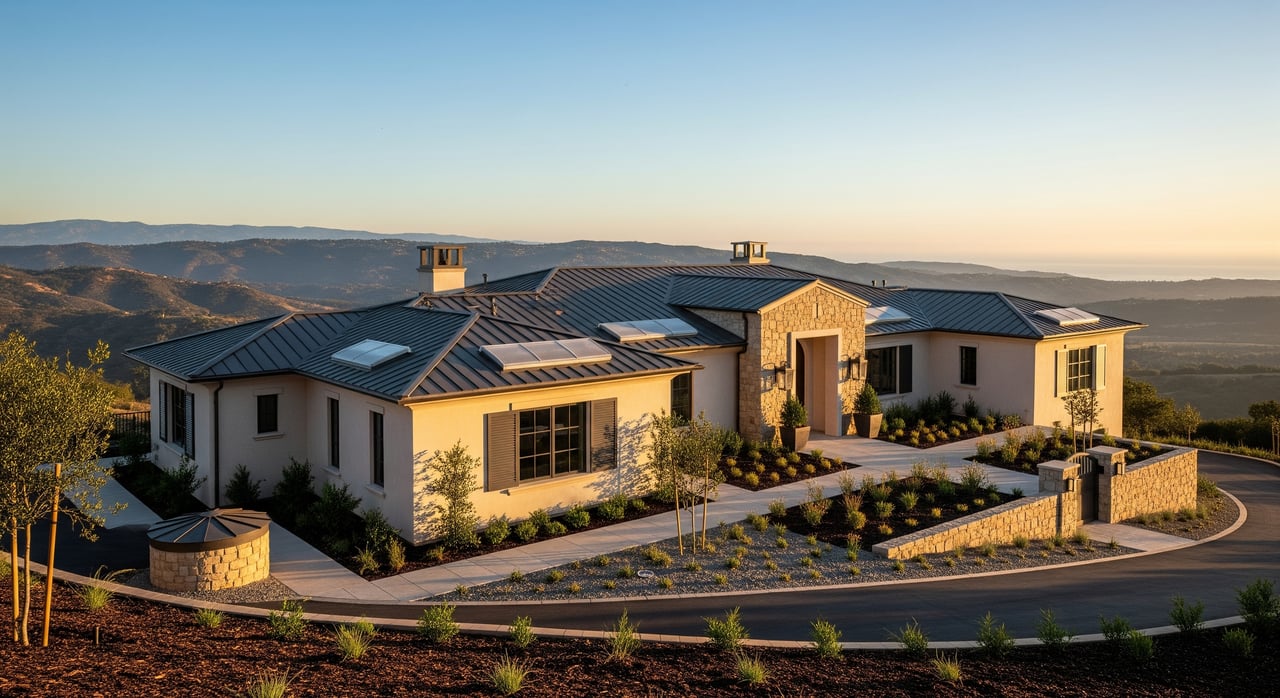
Wildfire season is part of life in Bell Canyon. If you live along the Simi Hills near open space, you already know the wind can turn a small ember into a big problem. Research shows embers cause most home ignitions in wildland-urban fires, which is why simple, targeted upgrades matter most. In this guide, you’ll learn the local rules, a practical home-hardening checklist, cost basics, and the steps to take next. Let’s dive in.
Why home-hardening matters in Bell Canyon
Bell Canyon homes sit in the wildland-urban interface near canyons and open space. That setting brings views and trail access, but also exposure to wind-blown embers in fast-moving events. According to state wildfire research, embers are responsible for a large share of structure ignitions, so protecting openings and the area right next to your home is critical. You can reduce risk with a few high-impact projects and steady maintenance guided by trusted sources like CalFire’s WUI program.
Know the rules in Ventura County
Fire Hazard Reduction Program
Ventura County’s Fire Hazard Reduction Program sets local defensible-space standards and issues annual notices to abate hazards. The program also recognizes a 0 to 5 foot noncombustible Zone 0 requirement for new buildings and additions starting March 1, 2025. Review current standards and timelines on the VCFD FHRP page.
Selling or buying under AB-38
If you are selling a home in a High or Very High Fire Hazard Severity Zone, California AB-38 requires a defensible-space compliance document or a one-year agreement to bring the property into compliance. Ventura County Fire Department offers Real Estate Defensible Space Inspections and a compliance report accepted for escrow. See the VCFD AB-38 page for details.
Community action helps
Ventura County supports Firewise and regional Fire Safe Council efforts. These programs help neighbors coordinate projects, share resources, and sometimes improve insurance conversations. Ask VCFD about current offerings for your area.
Your home-hardening checklist
Focus on the components embers target first. Start closest to the house and work outward.
Roof and roof attachments
- Install or maintain a Class A roof when replacement is due. Asphalt composition, tile, and some metals qualify.
- Keep the roof, valleys, and gutters free of leaves and needles.
- Seal roof-to-wall intersections and check around solar panels or skylights for ember traps. Guidance is outlined on CalFire’s home-hardening page.
Vents, eaves, and openings
- Cover attic, soffit, and foundation vents with corrosion-resistant metal mesh between 1/16 inch and 1/8 inch, or use ember-resistant, State Fire Marshal-listed vents.
- Enclose open eaves and plug gaps where embers can enter. Balance ventilation and consult building officials before changing vent area. See recommendations summarized by CalFire.
Windows and doors
- Upgrade to dual-pane windows with at least one tempered pane when feasible.
- Add noncombustible screens to operable windows and weather-strip exterior doors, including garage doors.
- Keep combustible items and vegetation away from windows and doors. See the Ready for Wildfire guide for specifics.
Siding and wall details
- Favor noncombustible or ignition-resistant siding such as stucco or fiber cement.
- Install metal flashing at siding transitions and around penetrations. Repair cracks and gaps to block ember entry. See CalFire’s home-hardening for materials and detailing.
Decks, fences, and attachments
- Use ignition-resistant or noncombustible materials for decks near the house and avoid combustible lattice under decks.
- Keep the area below decks clear or replace with noncombustible hardscape.
- Where wooden fencing meets the house, create a noncombustible break near the attachment point per CalFire guidance.
Landscaping and defensible space
- Maintain defensible space out to 100 feet from structures or to your property line, as required by state law.
- In Zone 0, the first 0 to 5 feet, keep it noncombustible. In Zone 1, 0 to 30 feet, keep it lean, clean, and green. In Zone 2, 30 to 100 feet, reduce and space out fuels. Review state guidance on defensible space.
Housekeeping, access, and utilities
- Clean gutters, move woodpiles and gas cans at least 30 feet from structures, and trim branches at least 10 feet from chimneys.
- Maintain clear driveway access and visible address signage for responders.
- Clear vegetation around propane tanks and outbuildings. Local standards are outlined by the VCFD FHRP.
Planning, permits, and costs
Inspections and who to contact
Your primary contact is the Ventura County Fire Department’s Community Wildfire Preparedness Division. Use the FHRP for annual clearance and request an AB-38 Real Estate Defensible Space Inspection if you plan to sell. Coordinate with county building officials and your HOA or CSD for any permit or access rules.
Permits and code basics
Work that changes roof assemblies, eaves, vents, or windows can trigger permits or product requirements. Before enclosing eaves or altering vents, confirm ventilation and code needs with the building department. State guidance on materials and assemblies is summarized by CalFire.
Budget smart and prioritize
- Roof replacement in California often falls in the mid to high five figures depending on size and material. See typical ranges on HomeAdvisor’s California roof cost page.
- Window upgrades vary by size and type, often from several hundred to over a thousand dollars per unit installed. The Washington Post’s overview outlines key cost drivers.
- Start with lower-cost, high-impact wins first: clear debris, screen vents, remove combustibles within 5 feet, and improve deck housekeeping. Then plan larger upgrades as budgets allow.
Steps you can take this month
- Walk the 0 to 5 foot perimeter and remove anything that can burn. Replace wood mulch near the house with rock or other noncombustible material.
- Screen or inspect vents, then seal gaps around eaves and wall penetrations.
- Clean gutters and roof valleys, and move woodpiles and fuel containers at least 30 feet away.
- Trim vegetation to maintain spacing and address ladder fuels out to 100 feet where applicable.
- Document work with photos. This helps with AB-38, insurance conversations, and future maintenance.
Ready to align your mitigation plan with your next move or sale timeline? Let’s talk about what to tackle now and how to document it for buyers and insurers. Connect with Truth Realty for straightforward, local guidance that fits your goals.
FAQs
What does defensible space mean for a Bell Canyon home?
- Defensible space is the maintained area around your home that reduces fire intensity and ember exposure. State law calls for up to 100 feet, with specific actions by zone.
What is Zone 0 and does it apply to my existing home?
- Zone 0 is the 0 to 5 foot ember-resistant area next to structures. Ventura County requires a noncombustible Zone 0 for new buildings and additions beginning March 1, 2025; check the VCFD FHRP page for current guidance.
Do I need a permit to change vents or enclose eaves in Ventura County?
- You may need permits for work that affects ventilation, fire resistance, or structural elements. Confirm requirements with county building officials before you start.
I am selling a Bell Canyon property. What does AB-38 require?
- If your home is in a High or Very High Fire Hazard Severity Zone, AB-38 requires a defensible-space compliance document or an agreement giving the buyer up to one year to obtain it. Request a Real Estate Defensible Space Inspection through VCFD’s AB-38 page.