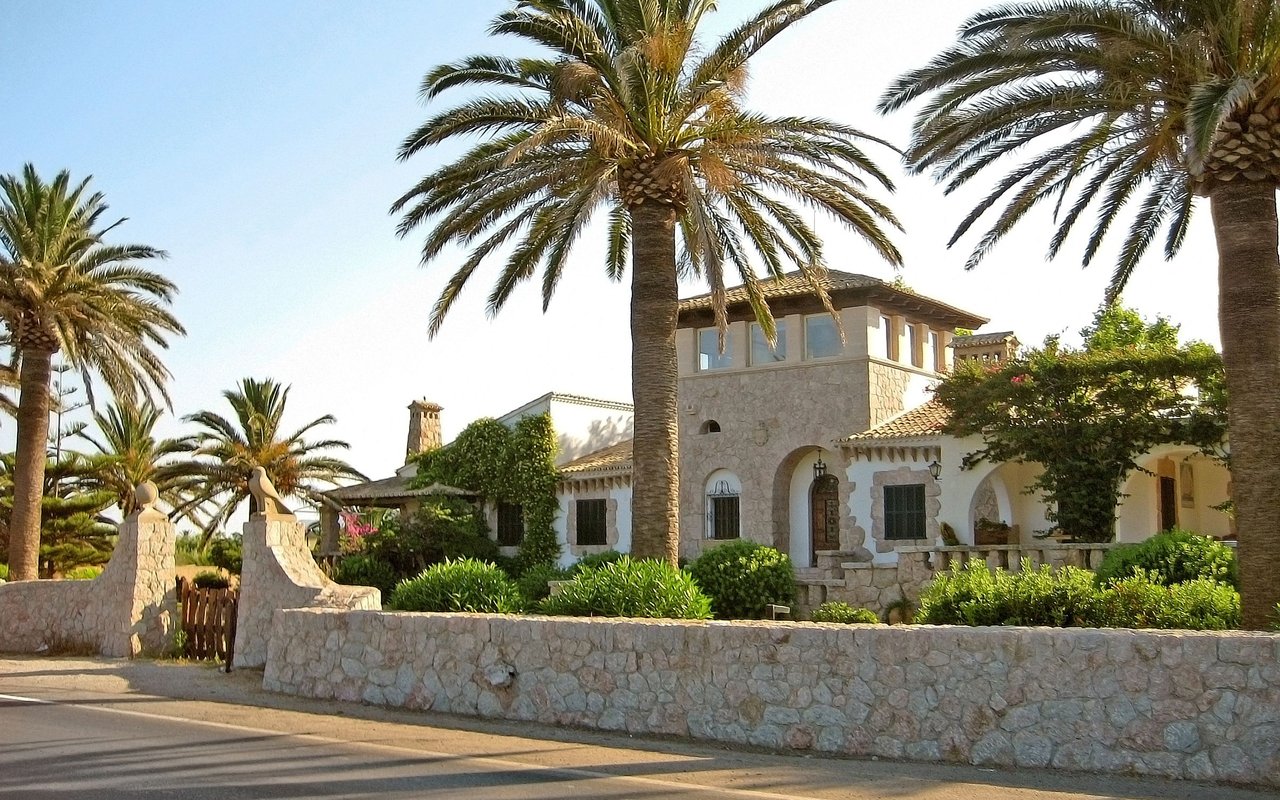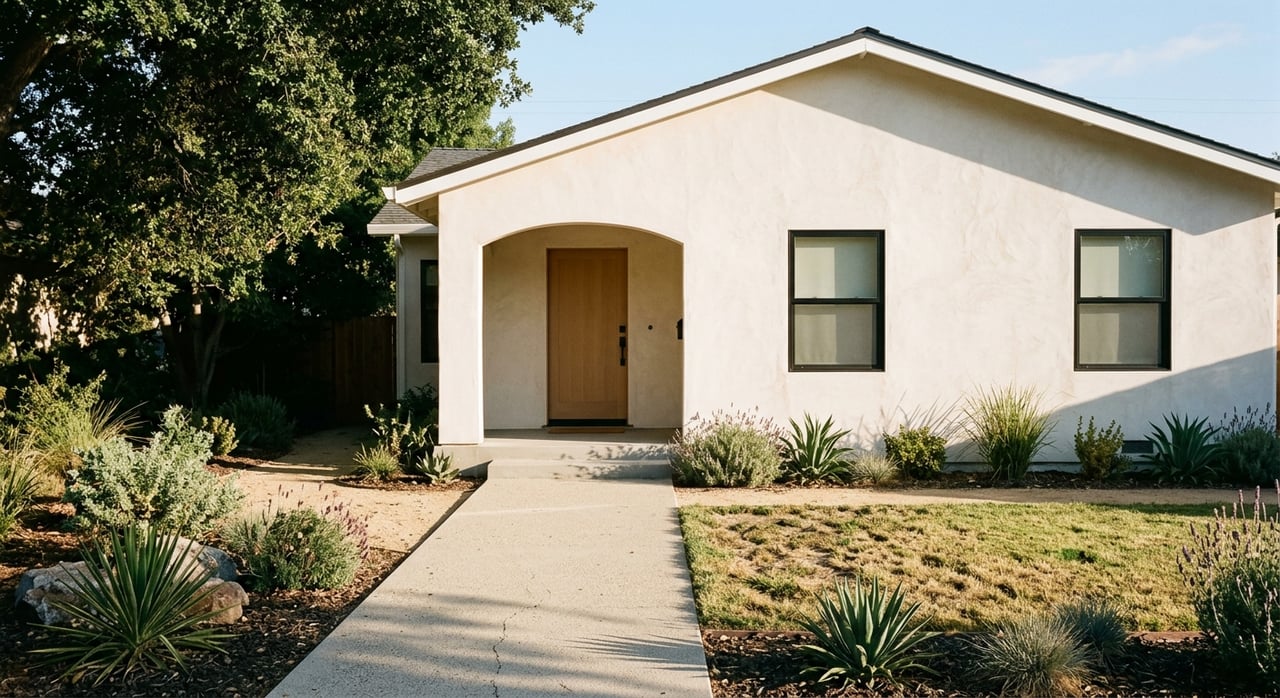
Wondering whether a townhome or a house makes more sense in Thousand Oaks? You are not alone. For many buyers, the decision comes down to a tradeoff between budget, maintenance, privacy, and how you want to live day to day in a city known for open space and outdoor access. If you are comparing your options, this guide will help you understand the real differences so you can move forward with more confidence. Let’s dive in.
Why This Choice Matters in Thousand Oaks
Thousand Oaks has a distinct lifestyle feel that shapes the townhome versus house decision. The city reports more than 15,000 acres of natural, publicly owned open space, and local market sources describe about 75 miles of trails and roughly 15,000 acres of open space. That means outdoor living is part of everyday life for many residents.
Because of that setting, your choice is not just about square footage. It is also about how much private outdoor space you want, how much exterior upkeep you are comfortable handling, and how much flexibility you want over your property. In Thousand Oaks, those details can have a bigger impact than they might in a denser urban market.
Price Differences Between Townhomes and Houses
If affordability is a key factor, townhomes usually offer a lower entry point than detached houses in Thousand Oaks. As of spring 2026, the median sale price across all home types was about $1,102,500, while local market data showed single-family homes around $1.2 million and townhouses around $765,000. That is a meaningful gap for many buyers.
Current listing trends point in the same direction. Townhouse listing prices have recently centered well below detached home prices, although exact numbers can vary by neighborhood, size, condition, and the benefits included in the community. In simple terms, townhomes are often the more accessible option if you want to enter the Thousand Oaks market at a lower purchase price.
That said, price is not the whole story. A lower purchase price does not always mean a lower monthly cost, especially if the townhome has HOA dues. When you compare options, it is important to look at the full monthly picture instead of the sticker price alone.
What a Townhome Really Means in California
One of the most important things to know is that in California, a townhome is an architectural style, not a legal ownership category. The California Department of Real Estate explains that a townhome can be set up as a condominium or as a planned development. Two attached homes may look nearly identical but come with different ownership rights and responsibilities.
This matters because buyers often assume all townhomes work the same way. They do not. The legal structure affects what you own directly, what the HOA manages, and what rules apply to maintenance and use.
In practice, that means you should not judge a townhome by appearance alone. You need to review the community documents to understand how that particular property operates.
HOA Rules and Maintenance Responsibilities
For many buyers, this is where the decision becomes clearer. In attached communities, HOA rules and maintenance responsibilities come from the governing documents, including CC&Rs, bylaws, and community rules. The California Attorney General notes that HOAs generally make and enforce rules, while owners pay fees and assessments and follow the community’s governing documents.
The maintenance split can vary a lot from one community to another. According to California DRE guidance, common-area and exclusive-use areas may include patios, balconies, windows, driveways, parking spaces, fences, and similar features. Governing documents should spell out who handles items like roofs, plumbing, decks, patios, and exterior features.
That is why you should never assume the HOA covers everything in a townhome community. In one development, the HOA may handle more exterior work. In another, you may still be responsible for certain exterior or exclusive-use areas.
Detached houses often give you more direct control over the exterior and yard, but even that is not always simple. In California, a detached house can still be part of a planned development with an HOA and CC&Rs. So if you are leaning toward a house because you want to avoid HOA rules, you still need to verify that on a property-by-property basis.
Lifestyle Tradeoffs: Space, Privacy, and Flexibility
A detached house usually gives you more separation from neighbors and more flexibility over your outdoor space. If you want room for gardening, entertaining, pets, or future exterior changes, a house often fits that goal better. It can also offer a stronger sense of privacy simply because the structure is not attached.
A townhome, on the other hand, usually involves closer proximity to neighbors. Outdoor areas may be smaller, shared, or classified as exclusive-use common area rather than fully private land. For some buyers, that tradeoff feels well worth it if it means less exterior upkeep and a lower entry price.
In Thousand Oaks, this difference can feel especially meaningful because outdoor access is part of the local appeal. If you love the idea of having your own yard to enjoy the area’s climate and surroundings, a house may stand out more. If you prefer spending weekends on local trails instead of handling exterior chores, a townhome may be the better lifestyle fit.
How to Think About Monthly Costs
When comparing a townhome and a house, it helps to break the decision into two buckets: purchase cost and ownership cost. Townhomes often win on purchase price. Houses may offer more autonomy, but they can also come with more direct maintenance expenses.
With a townhome, HOA dues are part of your monthly budget. Those dues may help cover shared amenities, common-area maintenance, and community management, but they also affect affordability. You will want to ask what the dues include and whether the HOA has healthy reserves.
California DRE guidance says HOA budgets should include cash reserves, an estimate of the remaining life of common-area components, and a statement about how repairs or replacements will be handled. That makes reserve strength an important part of your evaluation. A lower purchase price can feel less attractive if the community may face future special assessments.
Which Option Fits Different Buyers Best
If you are a first-time or budget-conscious buyer, a townhome may be the more practical path into Thousand Oaks. It can make homeownership more reachable while reducing some exterior maintenance demands. That can be especially appealing if you want a simpler routine and predictable shared upkeep.
If you are a move-up buyer who wants more room and control, a detached house may better match your goals. You may value extra privacy, more outdoor space, and the ability to make changes without the same level of community restrictions. In many cases, that added independence is the main reason buyers stretch for a house.
Neither option is automatically better. The right fit depends on what matters most to you right now: lower entry cost and shared maintenance, or more space and more autonomy.
Questions to Ask Before You Decide
Before you choose a townhome or a house in Thousand Oaks, make sure you compare more than photos and list price. A careful review upfront can save you from surprises later.
Here are some smart questions to ask:
- What are the HOA dues, and what do they cover?
- Is the property part of a condominium or a planned development?
- What do the CC&Rs say about maintenance responsibilities?
- Who handles the roof, exterior surfaces, landscaping, patios, balconies, fences, or driveways?
- Are outdoor areas truly private, or are they exclusive-use common areas?
- How strong are the HOA reserves?
- Is there any history or risk of future special assessments?
- Are there community rules related to parking or rentals?
These questions matter because the details can vary widely from one property to the next. Two homes that seem similar online may come with very different long-term costs and responsibilities.
A Practical Way to Make the Final Choice
If you are still unsure, think about how you want to spend your time and money over the next several years. If your priority is a lower entry point and less hands-on exterior upkeep, a townhome may be the stronger match. If your priority is privacy, flexibility, and more direct control over your property, a house may be worth the higher cost.
It also helps to think beyond today. Your ideal choice should fit not just your current budget, but also your routines, future plans, and comfort level with maintenance and community rules. A smart decision is one that works well both financially and practically.
When you are ready to compare real options in Thousand Oaks, having clear guidance can make the decision much easier. Truth Realty offers honest, personalized buyer representation to help you weigh the tradeoffs, review community details, and move forward with confidence.
FAQs
Is a townhome usually cheaper than a house in Thousand Oaks?
- Yes. Local market data shows townhomes generally sell for less than detached single-family homes in Thousand Oaks, though HOA dues can narrow the monthly cost difference.
Does buying a house in Thousand Oaks mean there is no HOA?
- No. A detached house can still be part of a planned development in California and may still be subject to HOA rules and CC&Rs.
What should you review before buying a townhome in Thousand Oaks?
- You should review the HOA dues, CC&Rs, maintenance responsibilities, reserve funding, possible assessments, and whether outdoor spaces are private or exclusive-use common area.
Why does outdoor space matter when comparing homes in Thousand Oaks?
- Thousand Oaks is known for its open space and trail access, so many buyers place extra value on private yards, patios, and outdoor flexibility when choosing between a townhome and a house.
Is a townhome in California a specific legal ownership type?
- No. In California, a townhome is a style of housing. It can be legally structured in different ways, such as a condominium or a planned development.
How competitive is the Thousand Oaks housing market for buyers?
- Recent local market data indicates homes in Thousand Oaks receive about two offers on average and sell in around 43 days, so buyers should still be prepared to act carefully and decisively.