Imagine starting your day with a beach walk, grabbing coffee downtown, then catching sunset from a coastal trail. If you’re considering a move, you want the real picture of daily life, not a glossy brochure. In this guide, you’ll get a clear, local overview of Ventura’s neighborhoods, housing, commutes, costs, and practical considerations so you can decide if it fits your lifestyle and budget. Let’s dive in.
Ventura at a glance
Ventura is officially the City of San Buenaventura, though most people simply call it Ventura. The city sits on U.S. 101 between Oxnard and Santa Barbara and has a population of roughly 110,000 to 111,000. For city services and planning updates, check the City of San Buenaventura’s official website.
The vibe is coastal and outdoorsy with a historic downtown, an active harbor, and nearby foothills. You’ll find a mix of long-time residents, surfers, creatives, families, and retirees. The climate is Mediterranean, which means mild temperatures moderated by the ocean, a marine layer many mornings, and most rainfall in the winter. Microclimates are real, so the beach can feel cooler and foggier than inland hills on the same day.
Local jobs span tourism and hospitality, retail, healthcare, education, public sector roles, and some light industry. Many residents commute within Ventura County or to greater Los Angeles, Thousand Oaks, and Santa Barbara.
Daily life and amenities
Beaches and outdoor recreation
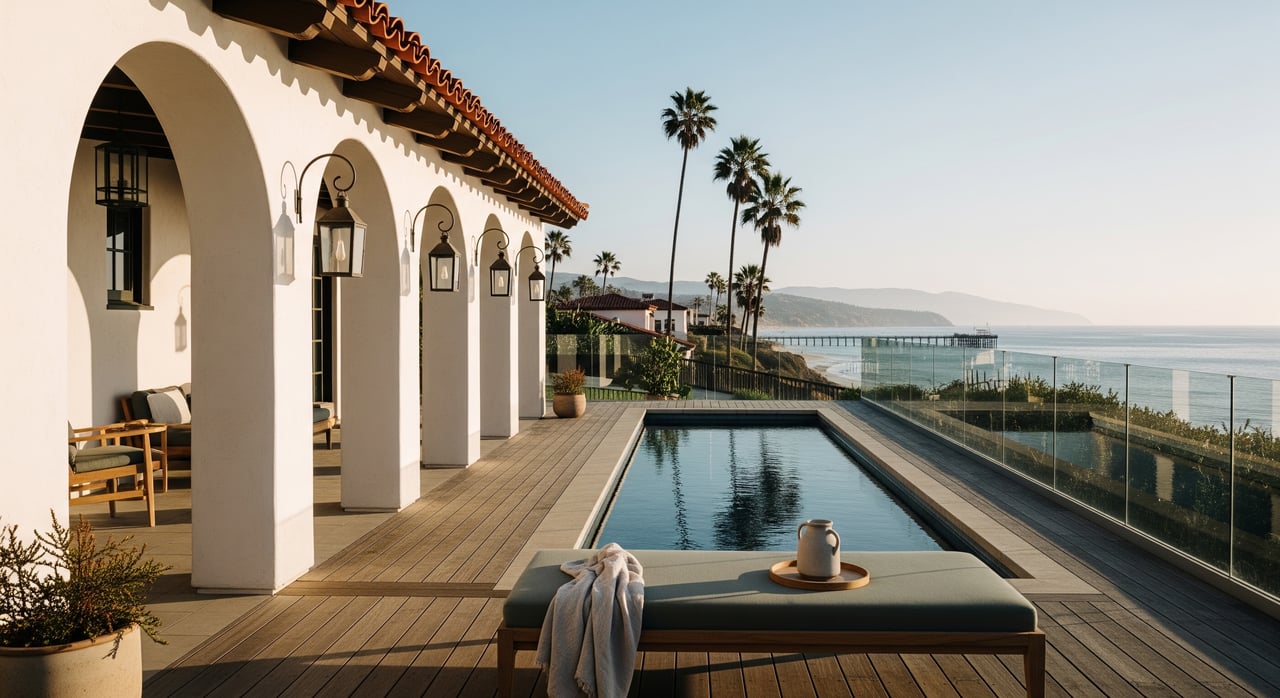
Beach culture shapes day-to-day life here. San Buenaventura State Beach, the Ventura Pier, and Surfers Point draw walkers, joggers, and surfers year-round. Ventura Harbor is a hub for kayaking, paddleboarding, sailing, and sportfishing. Trails in the nearby foothills and in Los Padres National Forest offer hiking, trail running, and mountain biking, with panoramic views on clear days.
Community groups keep the outdoor scene active. You’ll find surf lessons, local running and cycling clubs, beach cleanups, regattas, and weekend farmers markets. When the wind is up, kiteboarders and sailors take advantage near the harbor.
Food, shopping, and nightlife
Ventura’s food scene leans local and casual. Expect seafood near the harbor, beachside cafes, farm-to-table menus, and small independent spots downtown. A modest craft brewery and coffee scene adds variety. For bigger-box shopping, many residents drive to Oxnard or Camarillo.
Nightlife is smaller scale than Los Angeles or Santa Barbara. Think live music venues, community theater, art galleries, and seasonal festivals. The county fair at Seaside Park is a yearly favorite.
Community vibe and events
Downtown’s historic core is walkable and lively, with a mix of shops, restaurants, and cultural spots. Harbor and beachfront areas focus on outdoor living and water access. Inland neighborhoods feel more traditionally residential and suburban. Throughout the year, you’ll see farmers markets, community parades, and music events that bring people together.
Practical services
Most neighborhoods have convenient access to groceries, pharmacies, and basics, although you may drive for specialty errands depending on where you live. Public schools are operated by Ventura Unified School District; you can explore enrollment and programs on the Ventura Unified School District website. Healthcare is available through local hospitals and clinics, with specialty care across Ventura County.
Housing and neighborhoods
Home styles you will see
- Historic bungalows and Craftsman homes near downtown and older corridors
- Coastal cottages and beach bungalows closer to the pier and shoreline
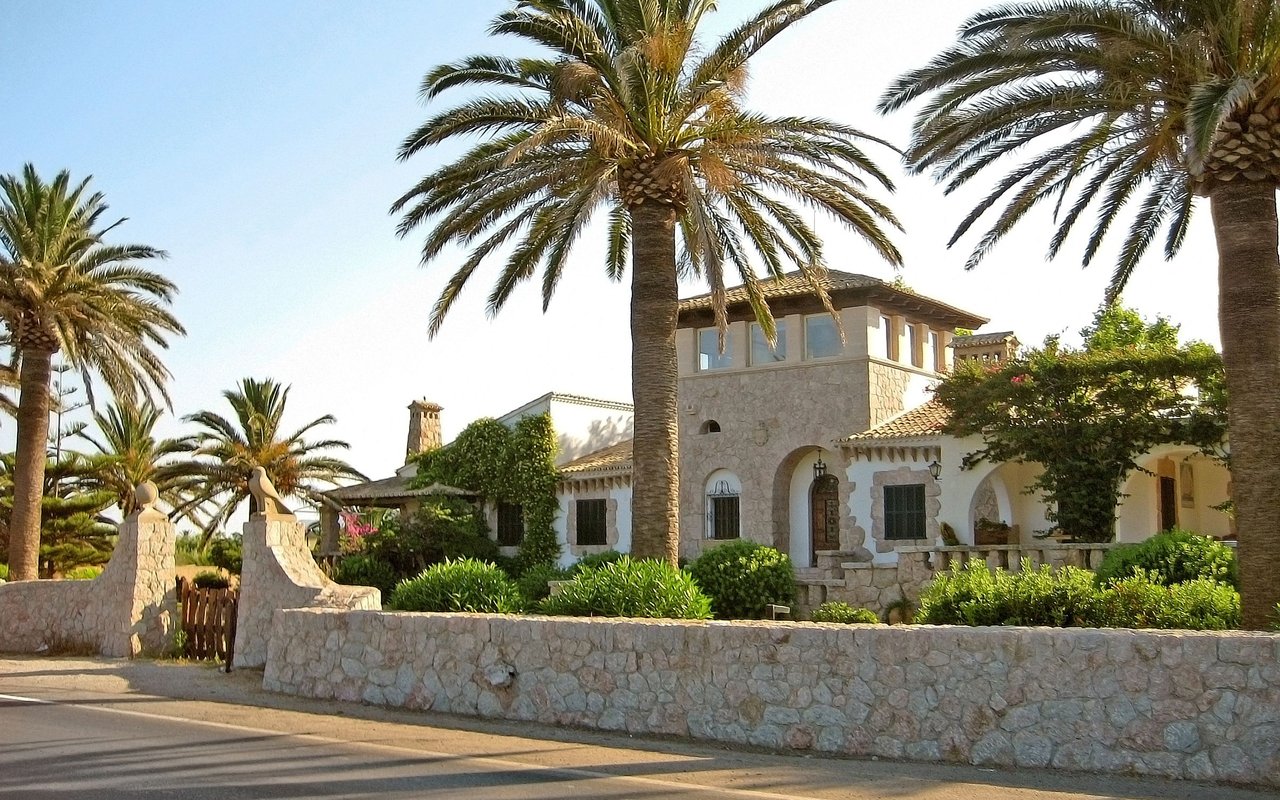
- Mid-century and ranch homes in many inland neighborhoods
- Townhomes, condos, and apartments in denser corridors and infill areas
- Newer single-family subdivisions on the outskirts and nearby communities
Neighborhood patterns
- Downtown and Old Town: Walkable, historic, mixed-use environment with dining and cultural access. Many renters and buyers choose this area for convenience and character.
- Harbor and beachfront: Centered on ocean access. Expect seasonal visitor activity and boutique dining.
- East Ventura and inland areas: Predominantly single-family homes on residential streets, typically quieter settings.
- Transitional and adjacent options: Unincorporated pockets and nearby cities like Oxnard, Camarillo, and Ojai offer alternatives with different price points and amenity mixes.
Each area offers a distinct lifestyle. If you value walkability, you might prioritize downtown corridors. If you want easy water access, the harbor and beach zones stand out. If you prefer larger lots or a quieter feel, east Ventura and inland neighborhoods often fit that preference.
Renting vs. buying: what to expect
Housing costs in Ventura are higher than the national average, largely due to coastal demand. Rental options range from studios and apartments to multi-bedroom houses, especially near downtown and the beach. Buying close to the coast usually requires a larger budget. First-time buyers often discover more attainable price points inland or in neighboring communities.
Because market conditions change month to month, check the latest local market reports for median sale price, days on market, inventory levels, and rent trends before you set a budget. If you are considering condos, factor in HOA fees and coverage details.
Practical housing checks
- Insurance and hazards: Hillside and edge areas can face wildfire risk. Waterfront and low-lying areas can face coastal hazards or flooding. Review CalFire fire hazard maps, FEMA flood maps, and coastal guidance before you write an offer.
- Fire: Review statewide severity zones on the CalFire fire hazard maps.
- Flood: Check your address on the FEMA Flood Map Service Center.
- Coastal: Learn about erosion and coastal planning on the California Coastal Commission site.
- Permits and remodels: Coastal Commission oversight and local zoning can affect remodels and additions near the shoreline. Ask for past permits and speak with city planning early. Start with the City of Ventura for current processes.
- Age and maintenance: Many desirable homes are older, which can mean seismic retrofits, plumbing and electrical updates, roofing, and foundation work. Build a thorough inspection period into your offer and budget for maintenance.
Getting around
Driving and typical times
U.S. 101 is the main artery through Ventura. State Routes 33 and 126 connect inland. Traffic varies by time and day. Typical ranges are Ventura to Santa Barbara in about 30 to 45 minutes, Ventura to Thousand Oaks in roughly 25 to 40 minutes, and Ventura to downtown Los Angeles in about 60 to 90 minutes or more during peak periods. Test your commute at the times you would actually drive.
Transit options
- Rail: The Amtrak Pacific Surfliner serves Ventura with routes toward Santa Barbara and Los Angeles. Check schedules on the Pacific Surfliner site. Metrolink’s Ventura County Line connects to LA-area stations; verify current service on Metrolink.
- Bus: Gold Coast Transit and VCTC Intercity provide local and regional routes. Explore local bus service with Gold Coast Transit District and county connections through the Ventura County Transportation Commission.
- Biking and walking: Beachfront paths and select bike lanes offer pleasant routes, with the highest walkability downtown and some coastal neighborhoods. Inland biking can be shaped by hills and available lanes.
Airports and travel
Ventura’s municipal airport serves small aircraft. For commercial flights, most residents use Santa Barbara Airport, Hollywood Burbank Airport, or LAX depending on destination and schedules.
Cost and market realities
Ventura tends to be more expensive than the national average, particularly for housing, but it often compares favorably to nearby coastal markets like Santa Barbara and parts of Los Angeles. Your cost of living will depend on neighborhood, home type, and commute. If you are renting, explore lease terms and utilities early. If you are buying, watch inventory, price trends, and days on market to time your search.
A smart path is to confirm your financing, choose your target neighborhoods, and follow weekly market snapshots so you can act quickly when the right home appears. If you are moving from outside the area, plan an in-person visit to compare microclimates, street noise, and drive times across your short list.
Who enjoys living in Ventura
Because Ventura offers beaches, trails, and a modest urban core, it appeals to a wide range of residents. People who value access to the ocean, a relaxed pace, and smaller-scale city life tend to thrive here. Many households also choose Ventura to balance coastal living with relatively shorter trips to regional job centers along the 101 corridor.
How to choose your Ventura neighborhood
Use this quick process to narrow your search:
- Define your daily routine. List your must-haves like commute time, beach access, yard size, or walkability.
- Map your budget. If buying, review recent solds and HOA ranges for your target property type. If renting, compare lease terms and utility policies.
- Test drive time. Drive your actual route during peak hours or check transit options and parking.
- Walk the blocks. Visit at different times of day for noise, traffic, and microclimate differences.
- Check hazards and insurance. Pull CalFire, FEMA, and Coastal Commission resources for short-listed addresses.
- Review permits and disclosures. Ask for permit history, recent upgrades, and any known hazard disclosures.
- Confirm schools and services. Explore Ventura Unified School District and local healthcare access if those are priorities.
When you have a clear picture of daily life in a specific area, you can align your search with confidence.
Ready to explore Ventura with a local advisor who puts your interests first? Reach out to Truth Realty to talk strategy, neighborhoods, and next steps. Schedule a free consultation and get practical, data-informed guidance for your move.
FAQs
Is Ventura expensive compared to the national average?
- Yes, mainly due to housing costs, though it often compares favorably to nearby coastal hubs like Santa Barbara and parts of Los Angeles.
What is the commute like from Ventura to LA or Santa Barbara?
- Plan for roughly 60 to 90 minutes or more to downtown Los Angeles depending on traffic, and about 30 to 45 minutes to Santa Barbara, with peak-hour variability.
What public transit serves Ventura?
- Amtrak’s Pacific Surfliner and Metrolink connect Ventura to regional hubs, while Gold Coast Transit and VCTC operate local and intercity buses for everyday trips.
Are there natural hazards I should consider when buying?
- Review wildfire exposure with CalFire, flood risk on the FEMA Flood Map Service Center, and coastal guidance from the California Coastal Commission before you write an offer.
What schools serve Ventura residents?
- Most public K to 12 schools are within the Ventura Unified School District, and you can review programs, enrollment, and boundaries directly with the district.
How is daily life for outdoor activities?
- You have easy access to beaches, harbor water sports, and nearby foothill trails, with a climate that supports year-round outdoor time.